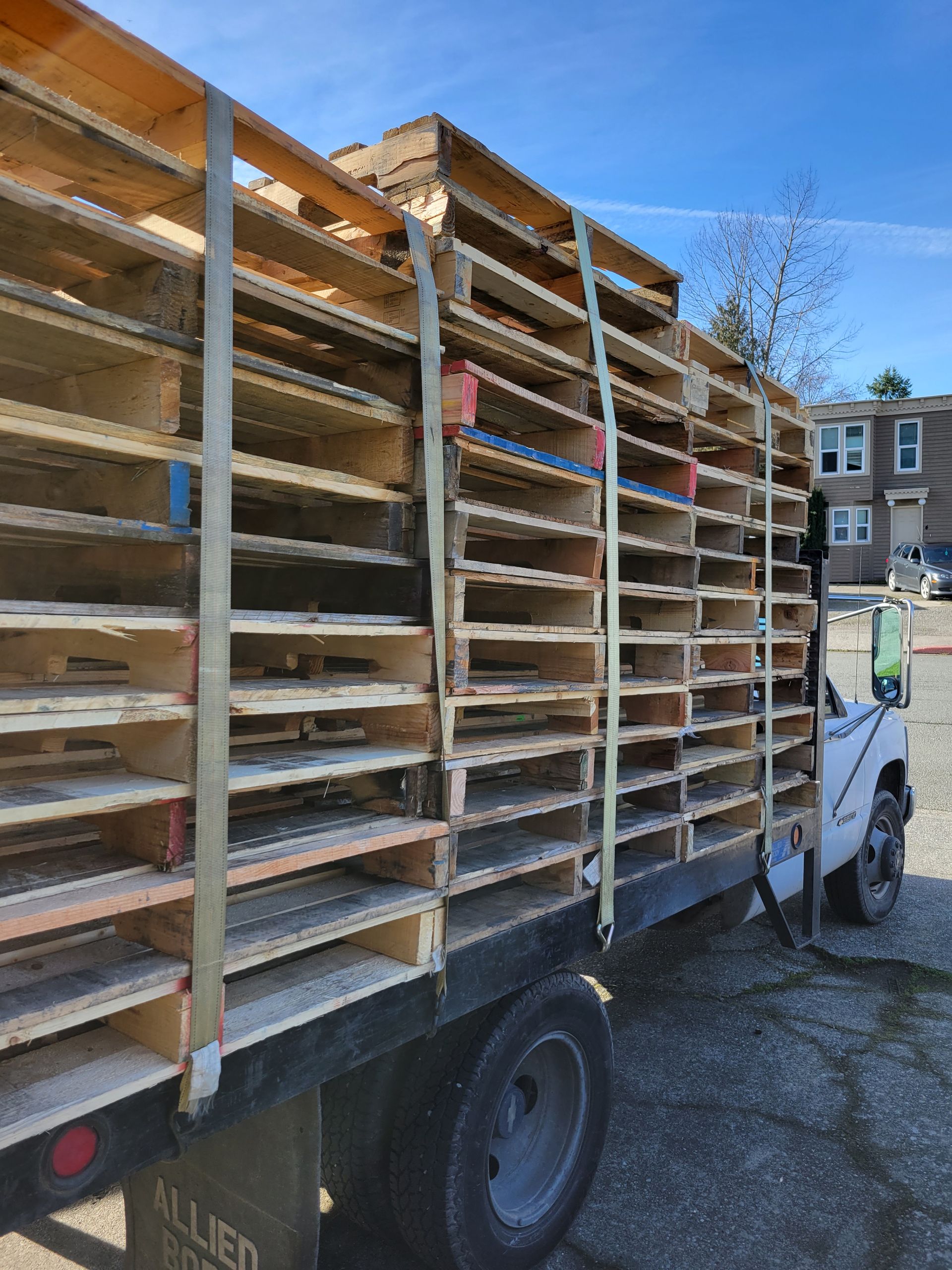
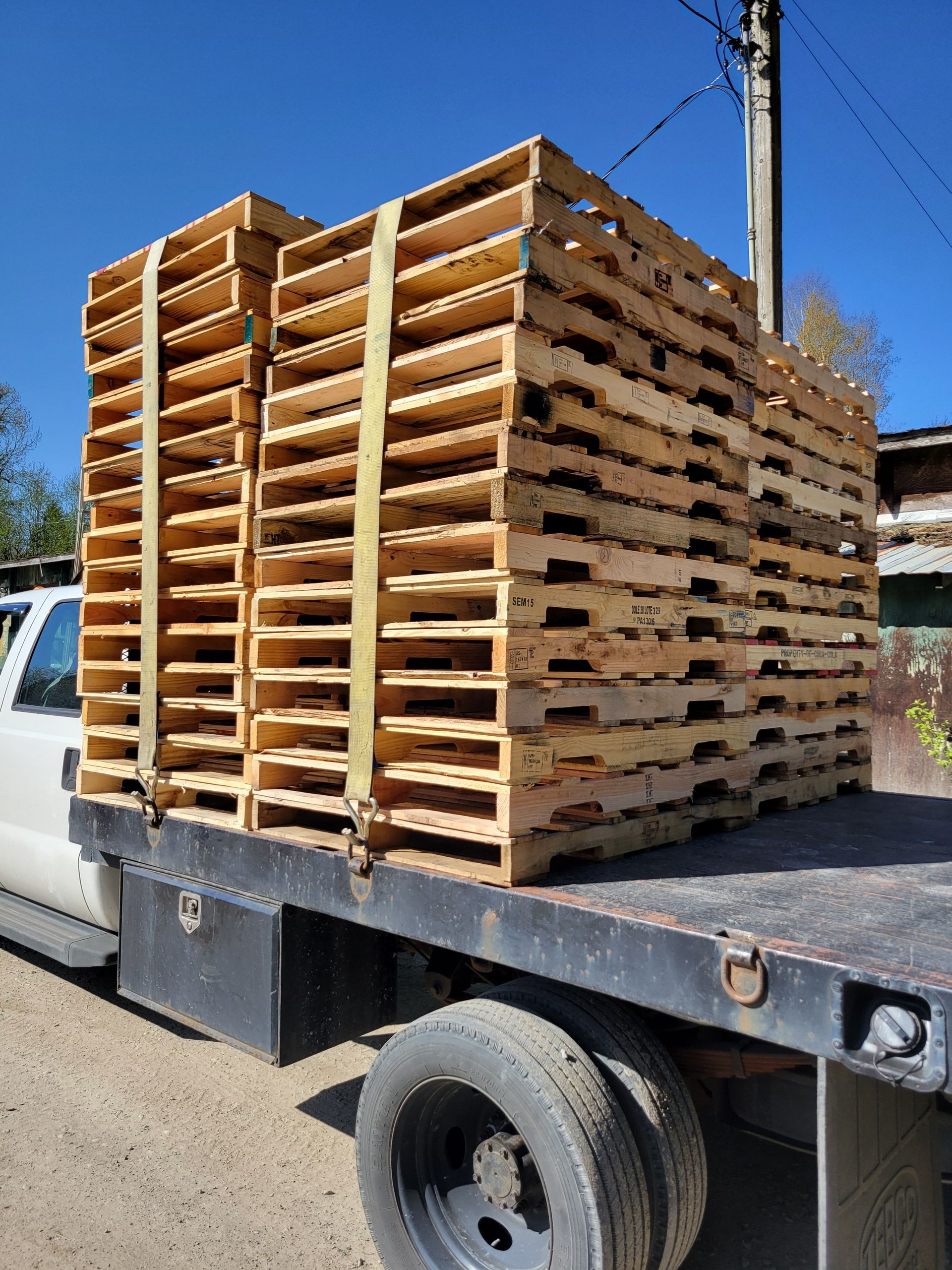
What a used 48x40 pallet costs delivered here, and what you get for the money

Rick Stubblebine • August 25, 2026

You need pallets by Thursday, and before you commit to anything you need to know what the line item is going to be. That is a reasonable thing to want, so here is the number.


A clean used 48x40 pallet is $6 if you pick it up yourself. Delivered, it runs $8 to $13 a pallet depending on how many you take, and that delivered number is the whole price. There is no separate delivery charge sitting underneath it. That covers North King, Snohomish and Skagit counties, which means Everett, Lynnwood, Bothell and the towns around them.


The rest of this is what sits behind those two numbers, because a price on its own does not tell you whether the pallet is any good.


The two grades, in plain words


Most buyers say "used pallets" and leave it there, which is fine. When it matters, there are two grades underneath that word.


A #1 is the stronger, cleaner one. Straight boards, less visible wear, closest to new. It is what you want under a heavy load, or under anything a customer is going to see when it comes off the truck.


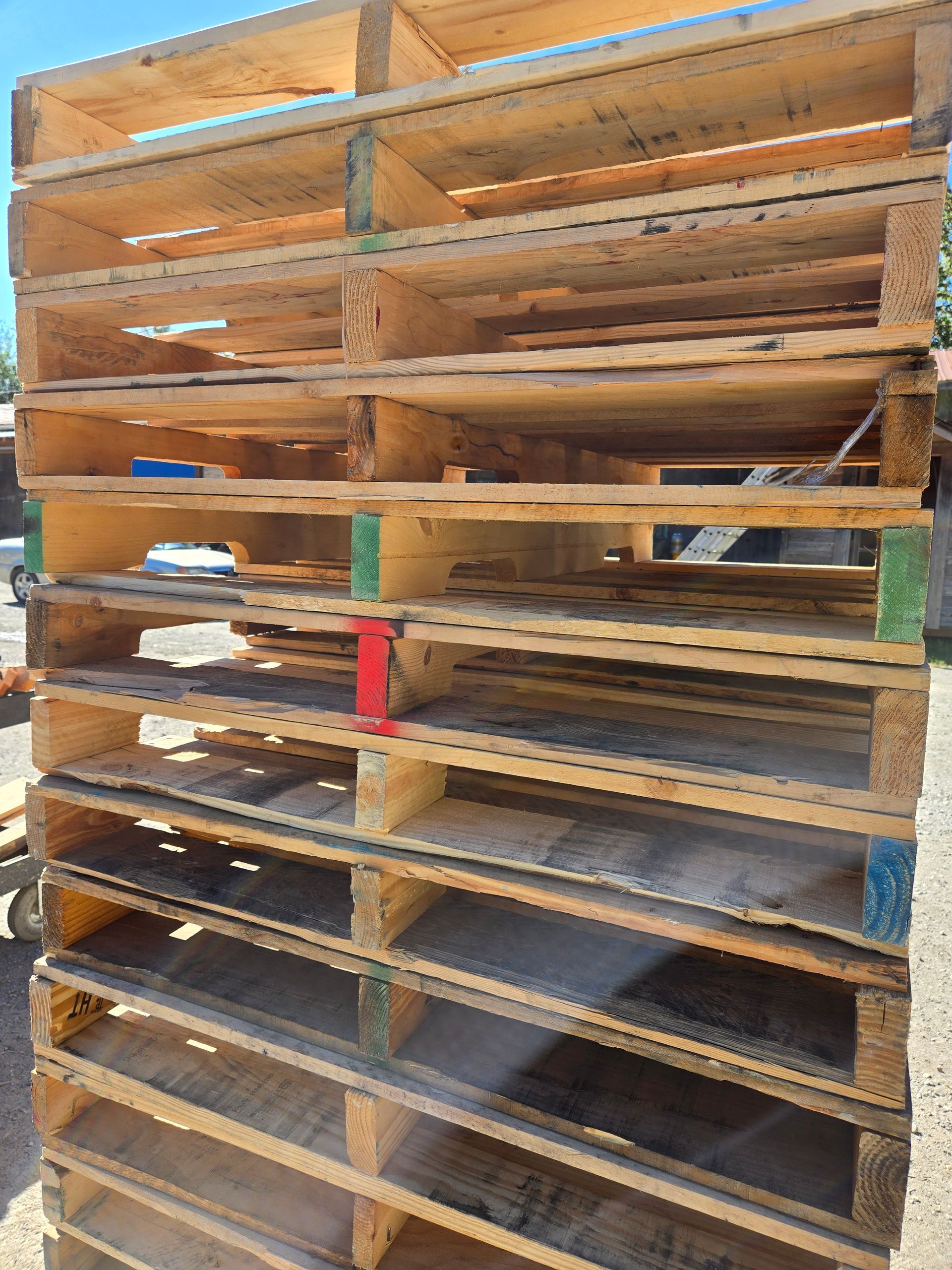
A #2 shows more wear. Marks, weathering, the occasional repaired board. It still carries what it was built to carry. For internal moves, for storage, for a load going to a yard rather than a showroom, a #2 does the job and costs you less.


The useful part is not the definition. It is knowing which one is coming before it arrives, so you can plan the load instead of finding out on the dock.


Why the price moves between $8 and $13


Volume. A delivery of a few pallets sits at the top of that range. A few hundred sits at the bottom. That is the whole mechanism.


Orders here run from one pallet to over 500. One pallet is a real order, not a favor, and it gets delivered like any other.


Where the storage comes in


Pallets get bought from industries that handle clean goods, then sorted and kept indoors rather than stacked outside in the weather. Every pallet gets looked at for mold and odor before it goes on a truck.


That sounds like a small thing until a damp pallet arrives at a facility that handles food, or medical supplies, or anything else that cannot sit next to a smell. Wet wood picks one up fast, and once it has one, nobody on a receiving dock wants it near their product. Sorting that out here is easier than sorting it out after it has been unloaded.


Stock also turns over quickly, so what ships is recent rather than wood that has been aging in a yard since spring.


Used is the standard, not the fallback


There is a version of this conversation where "used" sounds like a step down from something better. It is worth knowing what the research actually says.


Work by the U.S. Forest Service, carried out with the National Wooden Pallet and Container Association, found that around 95% of wood pallets are recovered to be reused, repaired or recycled. The same research shows 48x40 dominating both the new market and the recovered one. Reuse is not a workaround that a few operations settled for. It is how the pallet business runs.


So a clean, screened, indoor-stored used 48x40 is not a compromise version of a new pallet. It is the normal unit of the trade, at a fraction of what a new build costs.


What comes with a delivery


Two things, on every order.


Every delivery goes out with a few complimentary pallets included at no charge. And if a pallet shows up that does not meet your standard, it gets exchanged. No questions asked and no argument about it. That second one matters more than it sounds, because it means the grade conversation has a backstop. You are not stuck with a stack you cannot use.


About same day


Local orders often go out the same day. That depends on what is routed and what is on hand that morning, so the actual day gets confirmed on the phone.


There is one more thing worth knowing. When a delivery is already routed to an area, the customers in that area get a text asking whether they want anything added to the run. Any number, no minimum. A top-up that would not justify its own trip rides along on one that is already going.


The short version


$6 picked up. $8 to $13 delivered depending on volume, and that is the whole price. A #1 or a #2, and you will know which one before it arrives. Sorted and stored indoors, screened for mold and odor, across North King, Snohomish and Skagit counties.


If you want a number for a specific quantity to a specific dock, the fastest route is the phone. (425) 610-8704, Monday to Friday, 8:00 to 5:00.


You might also like
By Rick Stubblebine September 2, 2026
Somebody orders used 48x40 pallets for the first time, and underneath every other question is the same one: what is actually going to come off that truck. They have heard the word "used" and pictured the worst version of it. A stack of grey wood with a broken board and a smell nobody wants near their product. This is about what the two grades mean at a used pallet yard, why the answer matters before you sign for a delivery, and what you can expect on an order out of Everett. If you buy pallets for a warehouse or a shipping floor, the grade is the difference between a load that goes out on schedule and a pallet you have to pull and replace at the dock while a driver waits. The word "used" is doing too much work Used covers a lot of ground. It covers a pallet that has carried one clean load, and it covers a pallet that sat in a yard through two winters. Both are honestly described as used. They are not the same thing to buy. That is why the trade sorts them, and for almost everything a local buyer needs, two grades handle it. A #1 The cleaner, stronger one. Closer to new. Full boards, nothing repaired in a way that changes how it carries, and it looks like something you would put a customer's product on. If your pallets leave your building and land on somebody else's receiving dock, this is usually the grade, because what shows up there is part of how your company reads to them. A #2 The working grade. It carries the load fine and it shows more wear, with a board or two that has clearly been somewhere. For internal moves and for anything staying inside your own four walls, a #2 does the job, and there is no reason to pay for more pallet than the work needs. Neither one is a compromise. Reuse is not a corner this industry is cutting. Research from the U.S. Forest Service, carried out with the National Wooden Pallet and Container Association, found that about 95 percent of wood pallets are recovered for reuse, repair or recycling rather than scrapped, and that the 48x40 footprint dominates both the new and the recovered market. Buying used is simply how the pallet business works. Where a pallet came from matters more than the number on it A grade tells you the condition. It does not tell you the history, and the history is what decides whether a pallet is a problem after it is in your building. The pallets here come out of industries that handle clean goods. They are stored indoors rather than left outside collecting weather, and every one gets looked at on the sort line and screened for mold and odor before it goes on a truck. That last part is not a small thing. Damp wood in a warehouse is a problem that travels, and a food or pharma receiving department will turn a pallet away on a smell alone. Indoor storage is most of the reason that does not happen. What it costs, plainly $6 a pallet picked up. $8 to $13 a pallet delivered, depending on how many you take. That per-pallet number is the whole delivered price. There is no separate delivery charge underneath it. There is no minimum. One pallet is a real order and so is five hundred, with everything in between. Delivery runs across North King, Snohomish and Skagit counties, and local orders often go out the same day. Buyers say the thing that wears them out is hearing "call for a quote." A shipping manager comparing options at four on a Thursday afternoon does not have a quote cycle in the schedule. A reasonable number they can act on right now is worth more to them than a slightly better one they have to chase for two days. When you are not sure which grade you need Say what the pallets are for. That is genuinely the whole conversation. Product going out to a customer, or internal moves and storage. A single stack for a garage operation, or a standing monthly volume for a production floor. From that, the grade answers itself in about a minute. If a pallet does arrive and it does not meet your standard, it gets exchanged. No questions and no form to fill out. There are also a few complimentary pallets in every delivery, which is less a policy than an acknowledgment that counts are counts and a couple of spares have never hurt anybody. The point You should know what is coming before it arrives. That is the whole of it. A used pallet is a known quantity when the person selling it will tell you the grade, the source and the price without being pushed on any of them. Everett Pallets and More. Everett, serving North King, Snohomish and Skagit counties, Monday to Friday, 8:00 to 5:00. (425) 610-8704
Throw a Wooden Pallet in the Dumpster
By Rick Stubblebine March 17, 2026
Learn why most dumpsters won't accept wooden pallets and discover better disposal options including recycling centers, reuse opportunities, and specialized waste facilities. Get expert tips for safe pallet removal.
Why Working with a Local Pallet Business Matters
By Rick Stubblebine July 29, 2025
Local pallet suppliers deliver faster, with better communication and lower risk. See why Everett businesses choose local over national chains.